Atomcraft Advanced Guides
Launch-window systems for fallout, radiation, tracking, trade, and ship logistics
Atomcraft Advanced Guides
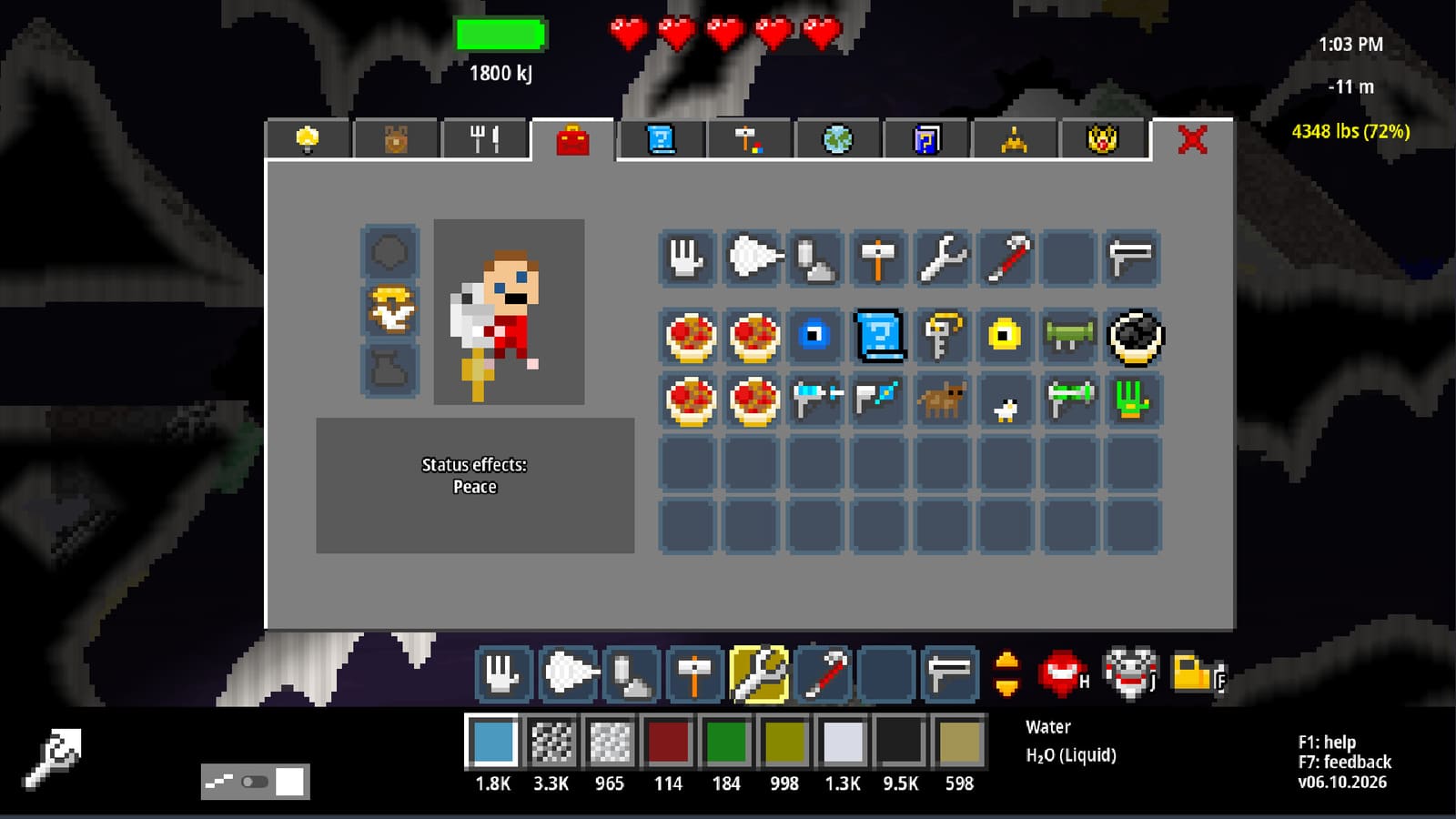
These advanced guides cover Atomcraft systems that arrive after forges, steel, and basic ship restoration feel stable. They are the practical playbooks for the July 2026 full-release window: controlled nukes, synthetic radiation, Material Tracking sparkles, surface NPC economies, and precision Spaceship Inventory transfers.
This page is a collection hub — it does not replace the main Guides hub, which still holds early and mid-game tutorials from first drill to automation. Open this collection when your bottleneck is fallout isotopes, grayscale radiation zones, blind ore hunts, merchant friendship, or restoration logistics — not when you still need charcoal and Cuprite.
When to open these guides
You are ready for advanced systems when most of this checklist is true:
- A double-U clay forge runs reliably with charcoal stock.
- Copper or Bronze drills open limestone and cave routes.
- You have restored at least a few ship elements for Research Points.
- Mechanical pixels or electrolysis are on your horizon, not your panic list.
- Fog-of-war digging without pins feels like wasted sessions.
If that sounds early, return to How to Play, How to Build a Forge, and How to Make Steel first. Advanced chemistry punishes missing fundamentals faster than it rewards curiosity.
Full-release context
The clip below is a verified Atomcraft full-release showcase. Watch it once before you start cratering biomes or wiring a Particle Accelerator bay — it sets the scale these guides assume.
All advanced guide pages
| Guide | Focus |
|---|---|
| How to Use the Nuke Launcher | Controlled detonations, fallout isotopes, safe blast discipline |
| How to Handle Radioactivity | Particle Accelerator, Rad Suit, Geiger Counter, synthetic elements |
| How to Track Materials | Eye-button pins, fog-of-war sparkles, middle-click recipe slots |
| NPCs and Trading | Merchants, friendship tiers, playable characters, farm economy |
| How to Use Spaceship Inventory | Exact pixel transfers, formula search, Inventory+Ship toggle |
Recommended reading order
Advanced systems interlock. This order minimizes base wipes and restoration stalls:
- How to Track Materials — Pin ores and isotopes before any deep dig or fallout run. Sparkles through fog of war save more time than a faster drill.
- How to Use Spaceship Inventory — Learn exact transfers, Formula search modes, and the Inventory+Ship visibility toggle before batch restoration weeks.
- NPCs and Trading — Turn factory surplus into coins, seeds, and friendship gear while surface routes stay safer than deep caves.
- How to Handle Radioactivity — Suit up, meter up, and run the Particle Accelerator in a side bay with escape routes.
- How to Use the Nuke Launcher — Fire last. Nukes reshape terrain and farm heavy isotopes through fallout, but they delete forges and wiring when aimed poorly.
How the systems connect
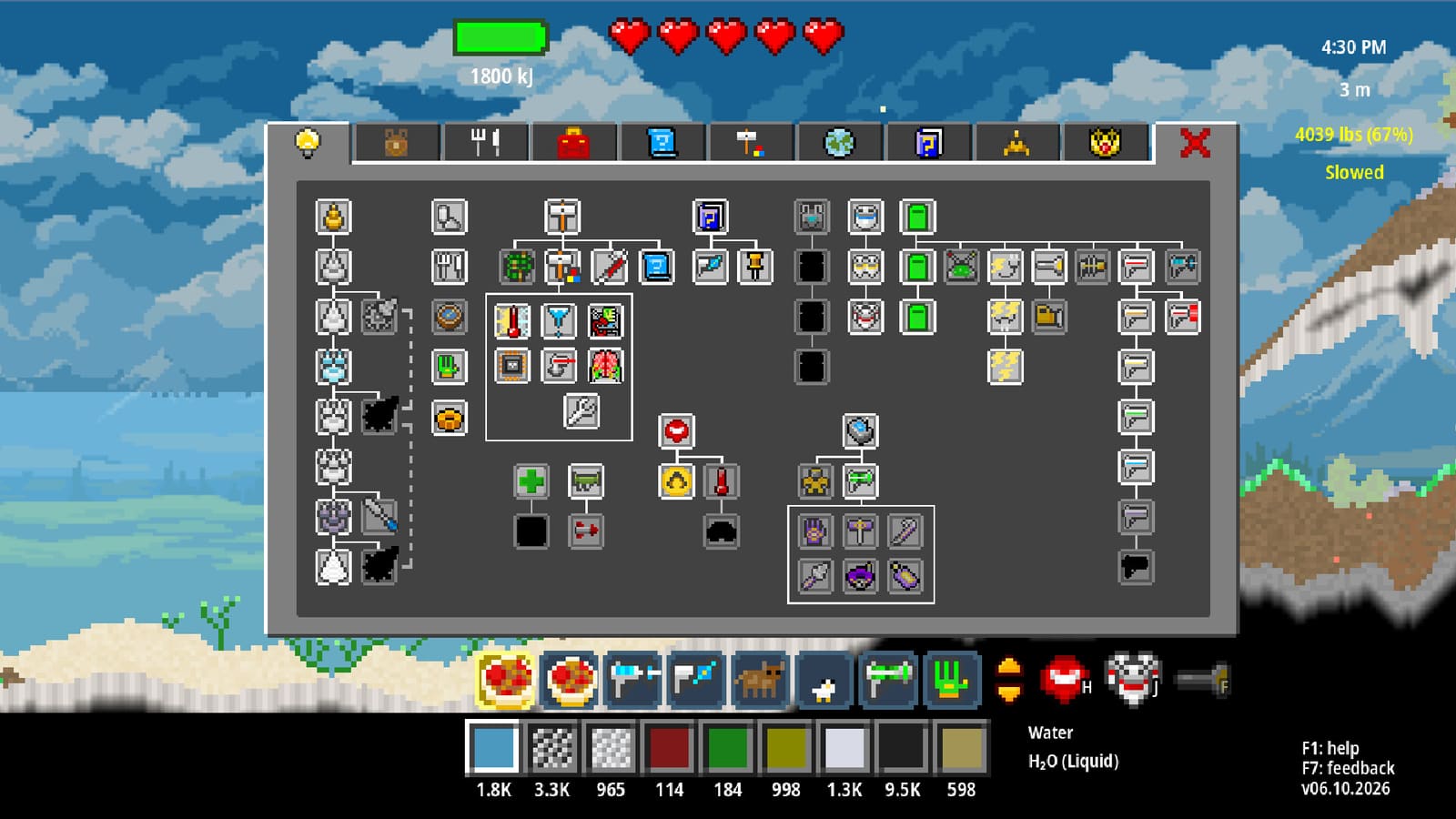
Material Tracking feeds every other guide on this list. Pin Pitchblende before Accelerator work, pin fallout products before entering grayscale craters, and pin NPC delivery items before friendship grinds.
Spaceship Inventory is the handshake between field loot and hull progress. Exact pixel counts and Formula-only search matter most when isotopes and diatomic forms clutter similar names.
NPCs and Trading convert automation output into relationship tiers and vendor stock. Bee, Dog, and Reaper specialize surface loops that keep your main ship restoration from feeling lonely.
Radioactivity and the Nuke Launcher share a fallout loop: detonate far from home under Rad Suit protection, collect heavy isotopes, then bombard Neptunium or Plutonium in the Particle Accelerator. Read both guides before treating either tool as a solo solution.
Cross-links worth keeping open
- Guides hub — early and mid-game tutorials
- Patch Notes — launch-window changelog for nukes, tracking, belts, and radiation
- Safe Reactions — containment before energetic chemistry
- World Map — teleport and zoom for ship courier runs
- Material Belt — ten-row shortcuts paired with tracking pins
Session checklist for advanced play
- Pin today’s target material before leaving base.
- Transfer exact restoration counts into ship storage, not whole mixed piles.
- Wear Rad Suit and carry Geiger Counter before Accelerator or fallout zones.
- Aim nukes at remote, already-mapped strips — never at the forge hall.
- Pack cooked meals before NPC friendship runs.
- Toggle Inventory+Ship visibility during restoration batches.
Return to the main Guides hub whenever you need forge, steel, or automation tutorials. Use this advanced collection when launch-window systems — not survival basics — are what block your save.
Frequently Asked Questions
Quick answers tied to this page.
When should I start the Atomcraft advanced guides?
Start after forges, steel, and basic ship restoration feel stable — when your bottleneck is isotopes, radiation, ore tracking, NPC trade, or inventory logistics, not charcoal and Cuprite.
Why are these guides excluded from the nav dropdown?
They are late-game specialists linked from the main Guides hub and individual guide cross-links. This collection page gathers them without crowding the primary navigation menu.
Which advanced guide should I read first?
Read How to Track Materials first. Eye-button pins and fog-of-war sparkles shorten every other late-game hunt before you fire nukes or run the Particle Accelerator.
Do I need the Nuke Launcher for synthetic elements?
No. Fallout is a practical isotope farm, but the Particle Accelerator path through Neptunium and Plutonium works without nukes. Read the radioactivity guide before combining both systems.
How do Spaceship Inventory and Material Tracking work together?
Track missing elements in the Material Guide, dig with sparkles, then transfer exact pixel counts through Spaceship Inventory with Formula search and the Inventory+Ship toggle during restoration.