Andesitic Lava in Atomcraft
September 2026 chemistry update: volcanic lava now connects to the aluminum production chain
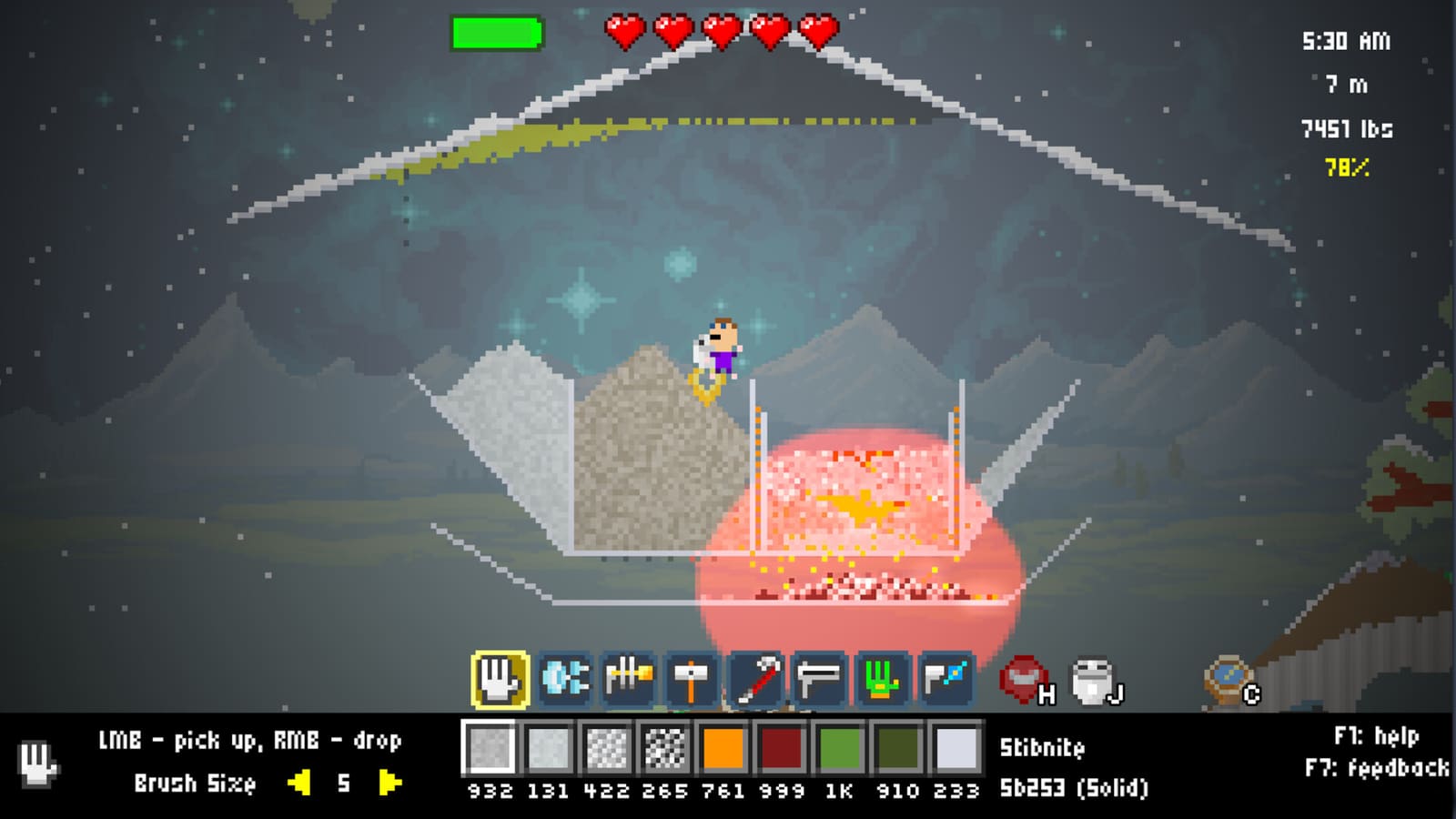
Andesitic Lava in Atomcraft
Andesitic Lava received a major chemistry rework in the September 1, 2026 update (Build 1.0.40). Previously a geological curiosity, it now serves as a genuine entry point into the mid-game aluminum economy. Understanding this pathway gives players an alternative heat-based route for materials that previously required only the carbon-reduction path.
What Changed in September 2026
Before the update, Andesitic Lava had limited practical use beyond visual variety. The chemistry rework added a complete downstream chain:
- Andesitic Lava → Sodium Aluminosilicate (on cooling)
- Sodium Aluminosilicate → Sodium Silicate
- Sodium Silicate → Sodium Aluminate
- Sodium Aluminate → Aluminum Hydroxide
This connects volcanic geology directly into the aluminum production web, giving players who explore lava-rich biomes a meaningful reward.
The Chemistry Chain
Step 1 — Andesitic Lava
Found in volcanic and geothermal surface regions. Andesitic Lava behaves like other lava types — it damages unprotected players, destroys organic materials on contact, and can be channeled with heat-resistant pixel walls.
Use a freeze ray or cooling element to solidify Andesitic Lava into Sodium Aluminosilicate. Unlike regular lava which cools into rock variants, Andesitic Lava produces this specific mineral compound.
Step 2 — Sodium Aluminosilicate
The primary product of cooled Andesitic Lava. This mineral compound contains sodium, aluminum, and silicate components — the exact ingredients needed for aluminum-group production.
Process Sodium Aluminosilicate by heating it with a catalyst to split it into Sodium Silicate and reactive aluminum compounds.
Step 3 — Sodium Silicate
A soluble glass-forming compound produced from the silicate fraction of Sodium Aluminosilicate. Sodium Silicate has uses in industrial cleaning and as a cementing agent, but its primary value here is as a reaction intermediate.
Step 4 — Sodium Aluminate
Produced by processing Sodium Silicate with additional heat and aluminum-bearing inputs. Sodium Aluminate is the key intermediate that bridges silicate chemistry into pure aluminum production.
Step 5 — Aluminum Hydroxide
The final step before metallic aluminum. Aluminum Hydroxide can be further processed through carbon reduction at approximately 2300 K, or used directly in certain specialized reactions.
How to Set Up an Andesitic Lava Processing Line
Equipment Needed
- Cooling elements or freeze ray for solidifying lava
- High-temperature reaction chamber (designed for 1500–2500 K operation)
- Heat source capable of sustained operation at reduction temperatures
- Conveyor system or manual transport for moving materials between stages
- Appropriate safety perimeter — lava processing is hazardous
Stage Setup
- Collection zone — Channel Andesitic Lava from volcanic seeps into a contained area with heat-resistant walls. Position cooling elements to control the solidification rate.
- Primary processor — Heat Sodium Aluminosilicate to split it into Sodium Silicate and aluminum compounds. This stage operates in the 1200–1500 K range.
- Secondary processor — Drive the Sodium Silicate through the aluminate conversion at sustained high temperature.
- Reduction chamber — Complete the path to Aluminum Hydroxide, then carbon-reduce if metallic aluminum is the goal.
Andesitic Lava vs. Traditional Bauxite Path
| Stage | Andesitic Lava Path | Bauxite Path |
|---|---|---|
| Starting material | Volcanic lava | Bauxite ore |
| Primary output | Sodium Aluminosilicate | Alumina (Al2O3) |
| Processing temperature | 1200–1800 K | 1800–2300 K |
| Number of steps | 4–5 | 2–3 |
| Advantage | Dual output (silicate + aluminate) | Shorter path, well-documented |
The Andesitic Lava path is not strictly better than the Bauxite route — it is an alternative that rewards players who have already built heat-handling infrastructure for other purposes. If you are already running a high-temperature forge cluster for steel or silicon, extending it to handle lava chemistry adds marginal cost.
Video: September 2026 Weekly Update
The September 5, 2026 weekly update from the developer covers the latest chemistry changes:
Deep Links
- Reactions Cheatsheet — full chemistry reference
- Rare Elements — aluminum, chromium, and advanced materials
- Heat System — managing high-temperature forge setups
- Patch Notes — full September 2026 changelog
The Andesitic Lava rework adds genuine depth to volcanic exploration. Players who invest in lava channeling and heat management now have a parallel route into aluminum-group materials — a meaningful expansion of the mid-game chemistry web.
Frequently Asked Questions
Quick answers tied to this page.
What is Andesitic Lava in Atomcraft?
Andesitic Lava is a volcanic lava type found in geothermal regions. The September 2026 update (1.0.40) made it scientifically useful: it cools into Sodium Aluminosilicate, which chains into Sodium Silicate, Sodium Aluminate, and Aluminum Hydroxide.
How do you process Andesitic Lava?
Cool Andesitic Lava with a freeze ray or cooling element to produce Sodium Aluminosilicate. Then heat it in stages to produce Sodium Silicate, Sodium Aluminate, and finally Aluminum Hydroxide through a multi-step chemistry chain.
Is the Andesitic Lava path better than Bauxite?
Neither path is strictly better. The Andesitic Lava route is longer but rewards players already running high-temperature forge infrastructure. The Bauxite path is shorter and better documented. Use whichever fits your current setup.
What temperature does Andesitic Lava processing require?
The primary splitting stage operates around 1200–1500 K, with the reduction to aluminum hydroxide requiring approximately 2300 K for metallic aluminum production.
When was Andesitic Lava chemistry added?
September 1, 2026 (Build 1.0.40) as part of the Andesitic Lava Chemistry update. A follow-up hotfix (1.0.42) on September 3 fixed related counter-display bugs.