Atomcraft Safe Reactions: Nitroglycerin Machines Without Base Wipes
Design Atomcraft reaction cells with blender stages, timed doors, and blast lanes so energetic chemistry stays useful instead of deleting your workshop.
Atomcraft invites dangerous chemistry. The difference between a breakthrough and a reload is whether energy has a job. This page teaches safe-reaction machine thinking: treat nitroglycerin-class processes like industrial equipment with timed doors, blender stages, and sacrificial lanes—not like fireworks in your bedroom.
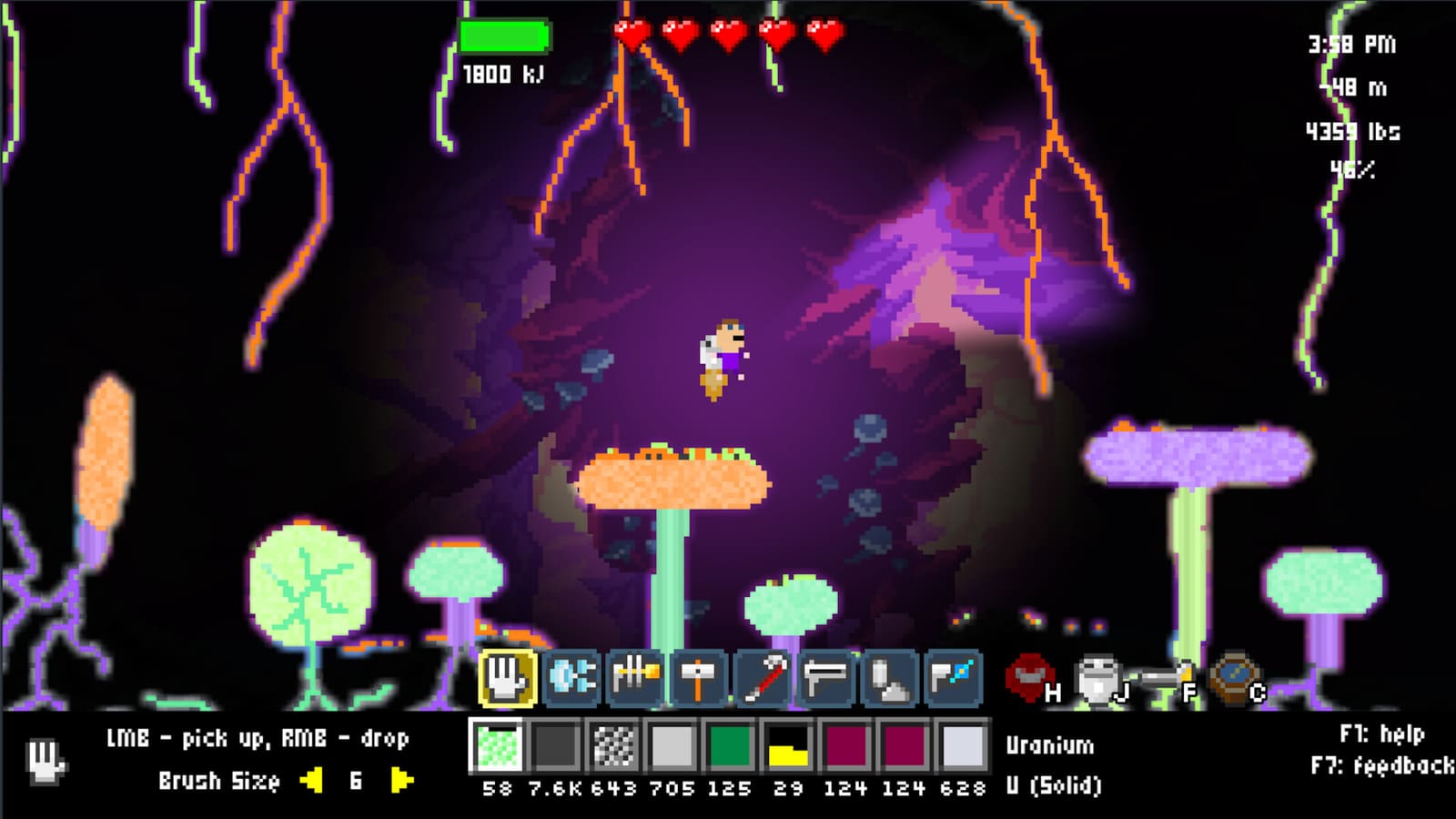
Safe-reaction mindset in Atomcraft
Ask four questions before mixing anything energetic:
- Where does leftover heat go?
- Which door opens first, and which stays locked?
- What fails if a bat attacks mid-reaction?
- Can I refill the machine without standing inside it?
If you cannot answer, you are not ready. Return to forge designs, wiring and logic, and cooling until isolation is boring.
The nitroglycerin-safe machine pattern
Energetic Atomcraft recipes should live in a cell, not a hallway:
- Input vestibule with Door A for reagent one.
- Blender or contact chamber small enough to finish quickly.
- Door B for reagent two, timed so both never free-flow into camp.
- Blast or expansion lane that points into rock or a quench pit, never into the ship.
- Product scoop door that opens only after pressure and heat drop.
Doors timed together are the heart of Atomcraft safety. Door A closes before Door B opens. Both remain closed during the violent window. Only then does the product door unlock. Practice the timing with harmless powders until muscle memory exists.
Blenders as containment, not chaos
A blender in Atomcraft forces pixels to interact. For safe reactions, that is good only inside thick walls. Put blenders:
- Behind double doors.
- Above a dump chute that can jettison failed batches into stone.
- Away from charcoal forges so a flash does not ignite fuel reserves.
- On a logic spine you can hard-stop from a jetpack alcove.
Never stand in the blender lane. Atomcraft jetpacks make aerial supervision easy—use that advantage.
Layered defenses
- Distance from ship and storage.
- Clay and hardened ceramic shells from prior forge heat.
- Timed doors as chemical diodes.
- Cooling quench for leftovers.
- Combat door against bats and enemies while the cell runs.
Material Tracking sparkles help confirm the correct reagents entered. Wrong pixels in an energetic Atomcraft cell are how surprises happen.
When safe reactions matter in progression
Early copper smelting is already hazardous, but limestone-cave acids and Buried City work with Lepidolite, Borax, Pyrolusite, and Columbite raise the stakes. Research Points from ship restoration unlock the mechanical pixels that make timed cells possible. Diatomic element returns still count, so do not blow up the gas wing of storage while testing explosives.
Follow progression context in the walkthrough hub, especially Buried City and ship completion. Tool readiness stays on tools and drill tiers.
Build recipe: starter Atomcraft energetic cell
- Carve a chamber two jetpack hops from camp.
- Line walls with surplus clay; fire-harden if you can.
- Install Door A (input), blender core, Door B (second input), Door C (product).
- Wire a simple sequence: A open → A close → B open → B close → wait → C open.
- Aim any relief vent into solid rock.
- Add a manual kill switch door you can reach from outside.
- Run water or inert tests ten times.
- Only then introduce energetic reagents in tiny batches.
Operational rules
- Tiny batches until the timing is proven.
- One operator position with clear sightlines.
- No charcoal piles as decorative walls beside the cell.
- Separate noble-gas and restoration storage from blast orientation.
- After any unplanned flash, rebuild; do not “patch” cracked logic.
Links for responsible Atomcraft chemists
Use the materials index to confirm reagents, the map for biome sourcing, controls for precise grabs, and the guides hub for broader tips. The builds hub ties this page to forges and cooling.
Why this page exists
Atomcraft is a chemistry sandbox, not a demolition derby score attack. Players who learn safe-reaction machines keep their Research Point progress, their Copper-tier shafts, and their sanity. Timed doors and blenders are how dangerous ideas become repeatable craft.
Build the cell. Time the doors. Respect the blast lane. Then let Atomcraft chemistry work for you.
Frequently Asked Questions
Quick answers tied to this page.
How do I handle nitroglycerin-like chemistry safely in Atomcraft?
Use a sealed cell with timed doors, a small blender stage, and a blast lane aimed into rock or quench—never into camp or the ship.
Why synchronize doors on Atomcraft reaction machines?
Synchronized doors keep reagents from leaking, enforce order of addition, and prevent hallway detonations.
Should I stand near the Atomcraft blender during a run?
No. Supervise from a jetpack alcove behind a combat door so you can kill power without standing in the lane.
What unlocks make safe Atomcraft machines possible?
Research Points from restoring ship elements unlock mechanical pixels for doors, blenders, and timing logic.
Can Material Tracking make reactions safer?
Yes. Sparkles help verify that only the intended reagents enter an energetic cell before doors seal.