Farming and Crops in Atomcraft
Grass seeds, crops, animals, slime gels, and the surface food loop
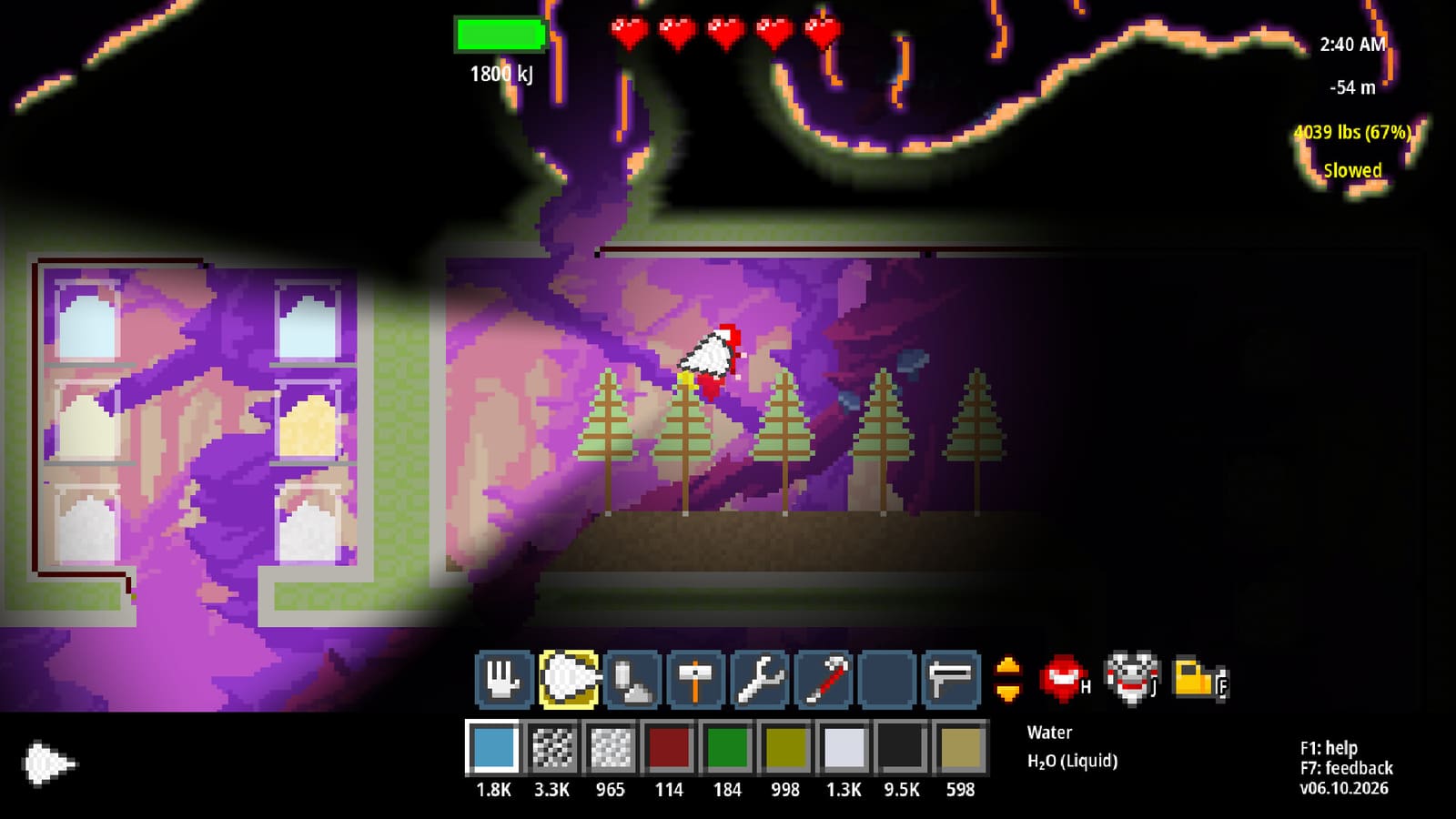
Farming and Crops in Atomcraft
Atomcraft is a chemistry sandbox, but the surface biome supports a full agricultural loop: mine Grass Seed from grass pixels, plant rows on Dirt or Loam, raise cows and chickens in pens, and slime ranch passive gels for trade. Farm outputs feed the July 2026 Cooking tab, restore health when eaten, and sell to NPCs for coins and friendship. This guide covers planting, livestock, slime handling, and how farming ties into early progression on the surface map and early game walkthrough.
Why farm when chemistry is the headline?
Underground digs, forge work, and ship restoration burn time—and historically, hunger and low health cut sessions short. A surface farm gives you renewable calories, trade goods, and chemistry side inputs (milk, eggs, compostable waste, slime gels) without abandoning your main ore loop. Treat farming like charcoal: batch work beside your base, not instead of Cuprite.
Food now restores health reliably after a long-standing bugfix; cooked meals from farm ingredients are worth the kitchen time. See How to Cook Food in Atomcraft for heat setup and the inventory-filtered Cooking tab.
Grass Seed and soil (late July 2026)
The Grass Seed system arrived in the late July 2026 update. Workflow:
- Find Grass pixels on the surface—common in green bands on the surface map.
- Mine grass with your dig tool until Grass Seed drops.
- Prepare Dirt or Loam tiles (till or place suitable soil blocks).
- Plant seeds on Dirt/Loam; water and time handle the rest.
- Harvest mature grass or transition plots into crop rows.
Grass Seed is the gateway: without it, you rely entirely on wild foraging. Stock seeds in a labeled chest before long cave trips.
Crops: sugarcane, wheat, trees, and flowers
Demo and full-release content includes several plantable categories:
| Crop type | Role | Notes |
|---|---|---|
| Sugarcane | Sweetener chain, NPC trade | Grows in vertical rows; harvest before charcoal sessions burn nearby plots |
| Wheat | Flour and bread precursors | Pairs with Cooking tab bread recipes |
| Plantable trees | Wood and fruit renewability | Longer growth cycle; plant early beside charcoal pits |
| Flowers | Dyes, decoration, some NPC requests | Bee pollination buffs speed growth when playing Bee |
Plant on Dirt/Loam, keep kitchen fire and forge heat away from crop storage—the same zone split the cooking guide recommends. Use Left-Ctrl to pick harvested pixels without grabbing soil.
Animals: cows and chickens
Livestock adds passive products and personality to surface bases:
- Pick up and place cows and chickens with standard interaction—relocate them into pens built from fences or walls.
- Pens contain animals so they do not wander into forge halls or bat paths at dusk.
- Cows produce milk and related goods for Cooking and NPC sale.
- Chickens lay eggs on a timer—eggs anchor early protein recipes.
Build pens beside your farm loop, not inside fire zones. Carry spare food when moving animals long distances; stressed livestock slow production. Playing Bee grants pollination buffs on adjacent crop rows—stack animals + crops + Bee for efficient surface days.
Slime ranching and the Farmer’s Glove
Slime ranching is a parallel surface industry:
- Craft or unlock the Farmer’s Glove.
- Pick up passive slimes with the glove and place them into fenced pens.
- Collect gels on a timer—used in adhesives, filters, and NPC trade.
- Sell surplus gels to vendors; see NPCs and Trading for friendship-tier buyers.
Slimes are not combat pets—think gel factories. Separate slime pens from chicken coops to avoid pixel clutter. Gel crates belong in the courier chest, not the industrial ore stock.
Cooking tab and farm outputs (July 2026)
The July 2026 Cooking tab lists craftable recipes from your current inventory while preserving discovery. Farm goods—milk, eggs, wheat, sugarcane products, cooked meats—populate that filtered list once you harvest and stage ingredients.
Practical loop:
- Harvest crops and animal products.
- Open Cooking; note recipes one ingredient away.
- Batch-cook meals that restore health and buffer hunger.
- Store cooked food away from electrolysis gases and forge splash.
Full kitchen workflow: How to Cook Food in Atomcraft.
Watch: cooking from farm ingredients
Farm outputs shine after they hit the kitchen. Use this reference while setting up your first crop-to-meal chain.
Selling to NPCs
Surface NPCs buy farm outputs—vegetables, eggs, milk, cooked meals, slime gels—often at better rates once friendship levels rise. Plan courier runs from farm chest → NPC camp → main base ore stock.
- Early game: sell egg and wheat surplus for coins and seeds.
- Mid game: trade gels and rare flowers for tool parts.
- Late game: fund automation parts with bulk crop contracts.
Trading details: Atomcraft NPCs and Trading.
Surface biome placement
Place farms in stable green bands on the surface map:
- Near water for convenience, but above flood-prone clay pockets.
- Within walking distance of your first forge and kitchen.
- On return paths from early game objectives so you restock between digs.
Mark pen perimeters before dusk—bats and fire spread are the main crop killers.
Health, hunger, and the historical bugfix
For a long time, players reported that food did not restore health as expected—a frustrating mismatch for a survival layer. That behavior was fixed; eating cooked farm meals now refills health pools alongside hunger relief. If you skipped farming because “food felt useless,” revisit it: a full pantry before Hematite or Steel sessions is real damage mitigation.
Farm layout checklist
- Grass Seed stockpile in labeled chest.
- Dirt/Loam plots for sugarcane, wheat, trees, flowers.
- Animal pens separated from forge and charcoal.
- Slime pens with Farmer’s Glove access.
- Kitchen zone isolated from crop storage.
- Courier chest for NPC-bound surplus.
- Cooking tab checked before long expeditions.
Common farming mistakes
- Planting inside forge halls—heat destroys rows during smelt sessions.
- No pens—animals wander into bat paths or industrial zones.
- Ignoring Grass Seed mining—stuck foraging wild pixels only.
- Selling every egg before checking Cooking tab recipe needs.
- Storing gels with ore—Left-Ctrl grab errors waste time.
- Skipping cooked meals because of outdated “no health” assumptions.
Farming and crops turn Atomcraft’s surface from scenery into economy. Plant on Dirt and Loam, pen your livestock, ranch slimes for gels, cook with the July 2026 tab, and let NPCs fund your next dig. When the pantry is full, return to the Guides hub and push chemistry with a fed explorer.
Frequently Asked Questions
Quick answers tied to this page.
How do you get and plant Grass Seed in Atomcraft?
Mine Grass pixels on the surface until Grass Seed drops, then plant seeds on Dirt or Loam tiles. The late July 2026 update added this loop—stock seeds before cave trips so you are not stuck foraging wild grass only.
What crops and animals are available on the surface?
Sugarcane, wheat, plantable trees, and flowers grow on prepared soil. Cows and chickens can be picked up, placed in pens, and harvested for milk and eggs. Each pen keeps livestock contained away from forge heat and dusk hazards.
How does slime ranching work with the Farmer's Glove?
Equip the Farmer's Glove to pick up passive slimes and place them in fenced pens. Slimes drop gels on a timer—sell gels to NPCs or use them in crafting. Keep slime pens separate from chicken coops to avoid pixel clutter.
How does farming connect to the July 2026 Cooking tab?
The Cooking tab lists craftable recipes filtered to your current inventory. Harvested crops and animal products populate that list, so you can spot meals one ingredient away, batch-cook for health and hunger, and store food before long digs. See the dedicated cooking guide for kitchen heat setup.
Do cooked farm meals restore health now?
Yes. A historical bug left food feeling useless for health recovery; that was fixed. Eating cooked meals from farm ingredients now restores health alongside hunger relief—worth batch-cooking before Hematite, Steel, or ship restoration sessions.